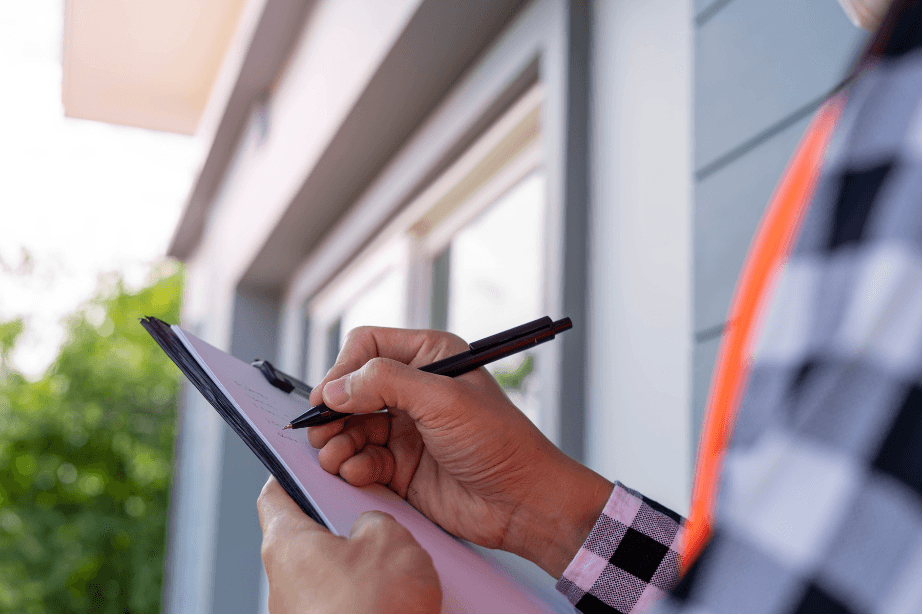
Owning a home is one of the biggest investments you’ll make. Even small issues, like leaks or worn-out roofing, can quietly reduce its worth. Annual inspections help you protect your home’s value by catching problems early, before they turn into costly repairs.
These checkups give you a clear picture of your home’s condition. You’ll see where maintenance is needed, stay ahead of potential hazards, and keep your home safe, comfortable, and appealing over time.
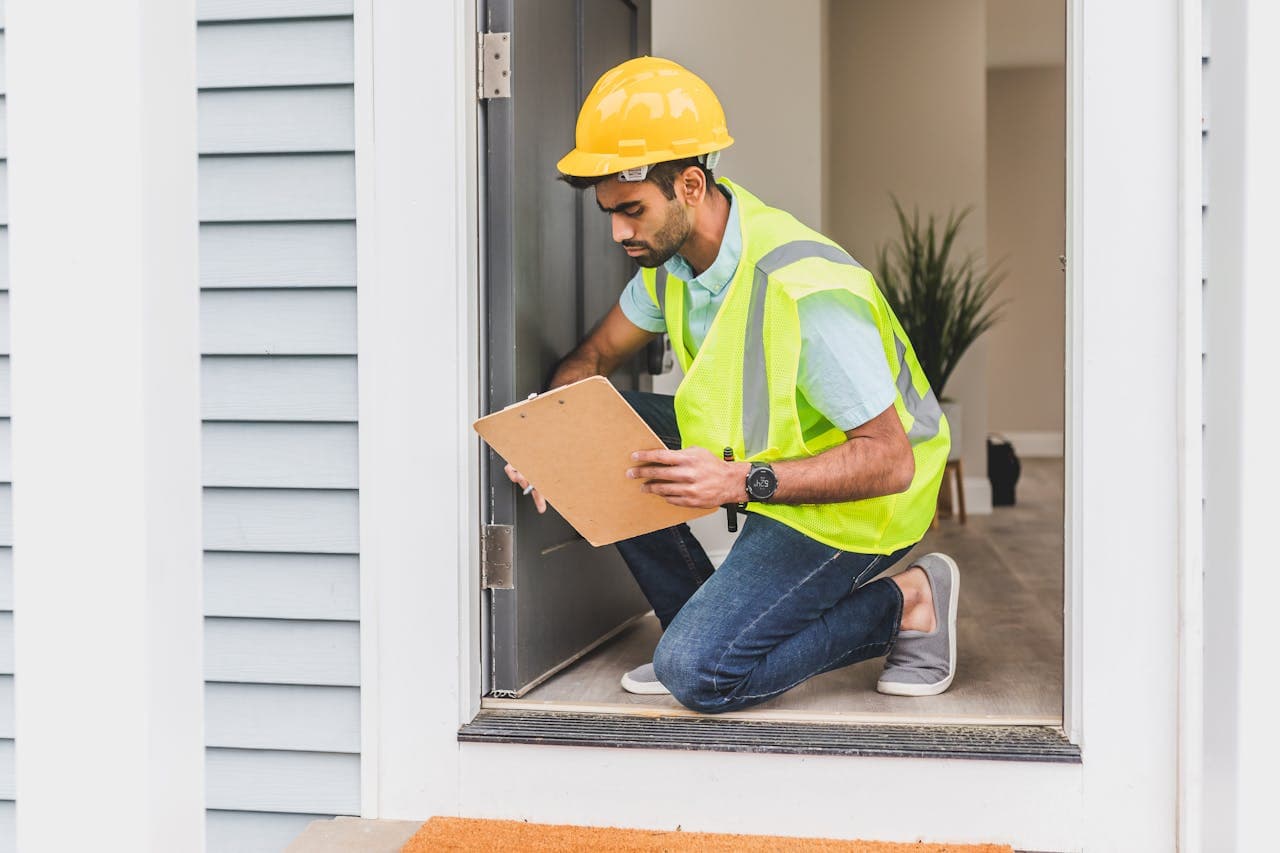
Spot Problems Before They Grow with Annual Inspections
Annual inspections help you catch small problems before they become major repairs. They look at areas like your roof, foundation, plumbing, and electrical systems. Even minor leaks or cracks can lead to expensive damage if left unchecked.
For example, a small roof leak may seem harmless, but over time, it can cause wood rot, mold, or structural issues. Catching these problems early gives you the chance to fix them before they worsen. This saves money and keeps your home in good condition year after year.
Maintain Safety and Comfort
Keeping your home safe and comfortable starts with regular checkups. These evaluations can identify hazards like faulty wiring, gas leaks, or hidden mold before they become serious problems.
Safety protects everyone living in your home and helps avoid costly emergencies. Comfort matters too: a properly working heating, cooling, or ventilation system keeps your space cozy all year.
Checkups also reveal small issues, like drafty windows or clogged vents, that can affect daily living. Taking care of these problems early makes your home more enjoyable and reliable.
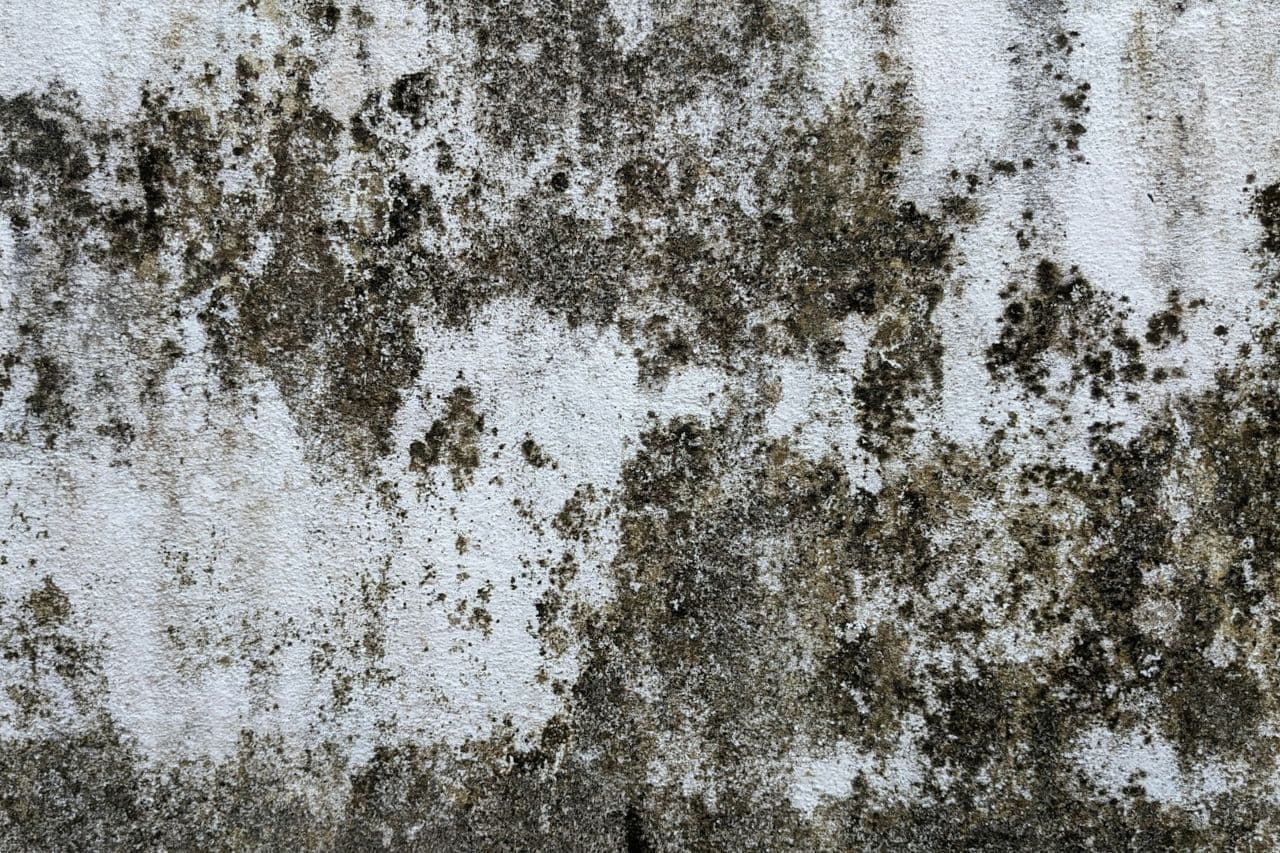
Wall mold reduces your property’s selling price.
Preserve Structural Integrity
A strong structure is the backbone of your home’s value. Visible problems, such as cracks in walls, uneven floors, or leaning railings, decrease the property value because they signal poor maintenance to buyers. Even small flaws that are easy to see can affect how much someone is willing to pay.
Inspecting key areas like beams, joists, and load-bearing walls helps you catch issues before they worsen. Fixing problems keeps your home solid, safe, and appealing. A well-maintained structure protects your investment and shows that your home has been cared for.
Protect Your Investment from Costly Repairs
Repairs are inevitable, but catching issues early saves you money. Small problems, like a leaky faucet or a minor roof leak, are far cheaper to fix than major replacements. Addressing them promptly prevents them from turning into expensive repairs that eat into your budget.
Regular checkups help you plan for maintenance instead of dealing with sudden emergencies. They give you a clear picture of what needs attention and what can wait. By staying ahead of repairs, you protect your home, your wallet, and the overall value of your investment.
Keep Insurance and Warranties Valid
Many insurance policies and home warranties require proof of regular maintenance. Annual inspections help you protect your home’s value by keeping coverage valid. Without proper documentation, damage claims may be denied, which can leave you paying for costly repairs yourself.
Inspections also show that you have maintained your home properly. They support warranties on appliances, roofing, and structural work. Keeping records of annual maintenance ensures your coverage stays active and gives you financial protection when unexpected problems occur.
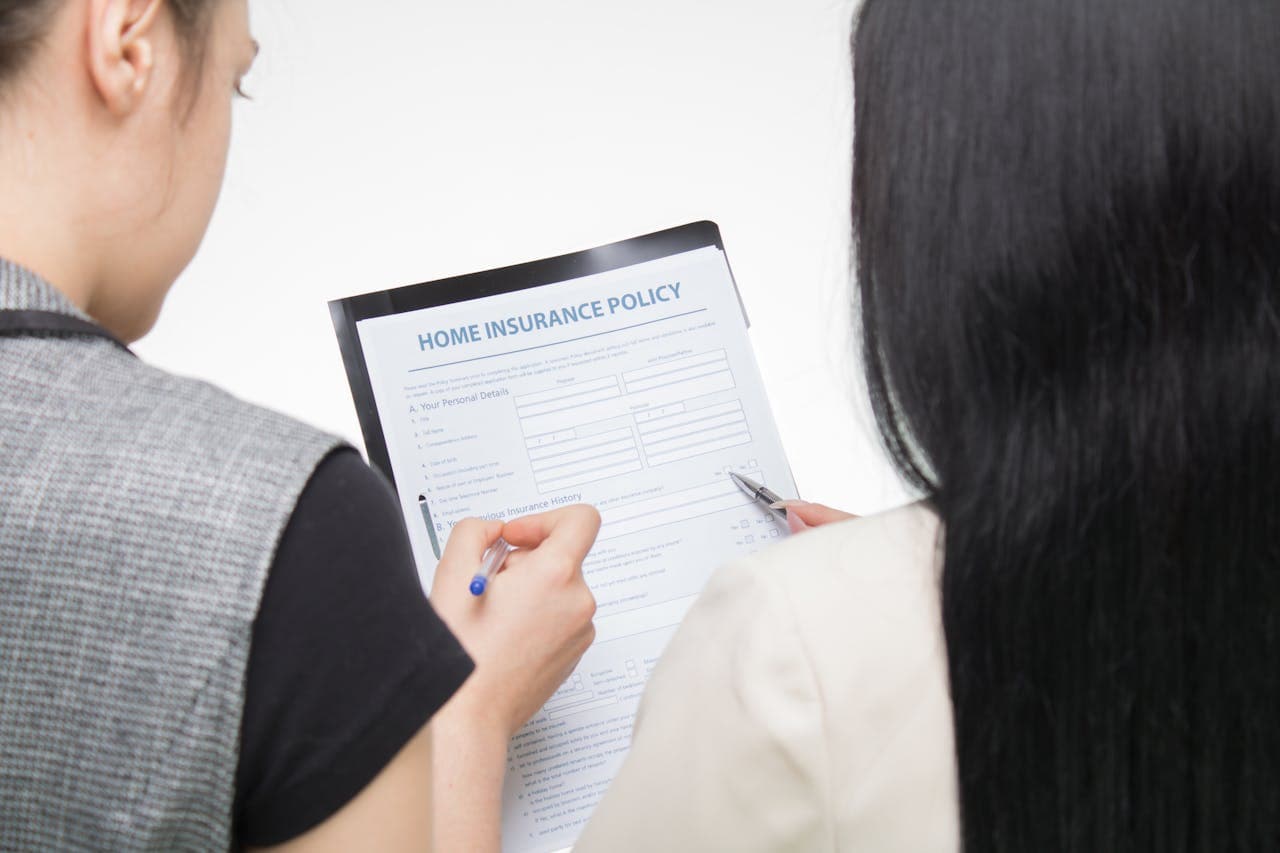
Buyers often check your insurance policy for home maintenance.
Boost Resale Appeal and Protect Your Home’s Value
A well-maintained home stands out to buyers. Visible care, like fresh paint, clean gutters, and a solid roof, signals that the property has been looked after. Homes that appear cared for often sell faster and for higher prices. If you skip annual inspections, a homebuyer will likely arrange their own, so keeping up with checkups gives you an advantage.
Inspection reports can also be a selling point. They show potential buyers that your home is in good condition and that problems have been addressed. This transparency builds trust and can make your property more attractive in a competitive market.
Track Home Condition Over Time
Keeping a record of your home’s condition helps you notice patterns in wear and tear. Over time, small issues like a slow drain, minor cracks, or fading paint can indicate areas that need attention. Tracking these trends makes it easier to plan repairs before they become serious.
Regular checkups also create a timeline of maintenance. By comparing past reports, you can see which parts of your home require frequent care and which are holding up well. This knowledge helps you budget effectively and prioritize projects that matter most.
Finally, documenting your home’s condition benefits resale. Buyers appreciate clear records showing consistent care. It proves that your home has been maintained responsibly, increasing confidence and making it easier to justify a higher asking price.
Save Money in the Long Run
Regular inspections may seem like an added expense, but they help you avoid bigger costs later. Fixing minor issues early, such as a small leak or worn-out shingles, is far cheaper than replacing major systems or repairing extensive damage.
Keeping up with maintenance also protects your home’s value and your investment. Fewer emergency repairs, better efficiency, and a well-kept property save you money over time while keeping your home in great shape for years to come.

Annual inspections protect your home’s value and save you money in the long run.
Smart Steps to Take After an Inspection
After an inspection, knowing what to do next helps you get the most value from the process. Here are practical steps to follow:
- Prioritize repairs – Address the most urgent problems first, like leaks or electrical issues.
- Set a budget – Plan for maintenance costs so you can manage repairs without stress.
- Keep records – Store inspection reports and receipts for future reference or resale purposes.
- Consult professionals – Hire specialists for complex repairs, such as roofing, plumbing, or structural work.
- Schedule follow-ups – Recheck areas that need monitoring to prevent problems from growing.
Following these steps helps you maintain your home efficiently, protect your investment, and keep your property in top condition over time.
Protect Your Home, Protect Your Future
Regular annual inspections are a simple way to stay ahead of problems and keep your home in great shape. Addressing issues early and maintaining key areas helps you actively protect your home’s value while ensuring it remains safe, comfortable, and appealing. These checkups prevent costly repairs and give you confidence in the condition of your property.
Maintaining your home consistently also benefits you in the long run. A well-kept property is easier to sell, more enjoyable to live in, and preserves your investment over time. Taking small steps each year makes a big difference, turning routine maintenance into lasting value and peace of mind.