
Septic Inspections
Detailed assessments of septic systems to ensure proper function, compliance, and longevity for rural and residential properties.
We provide professional septic inspections across Southern Ontario, evaluating the tank, drain field, piping, filters, and overall functionality so you can avoid costly repairs and keep the system operating efficiently.
Inspected by John Hansen, Registered Home Inspector and Past President of the Ontario Association of Home Inspectors, WETT certified, BCIN qualified for septic systems. Inspecting since 2011.
Septic Inspections by city
What is the septic inspections process?
- Locate and expose tank lids (owners exposing lids ahead of time helps).
- Flow (stress) test and bed loading to evaluate capacity.
- Assess system size and suitability for the home and fixtures.
- Inspect filters, pumps, and piping, then review findings with a written report.
Locate and expose tank lids
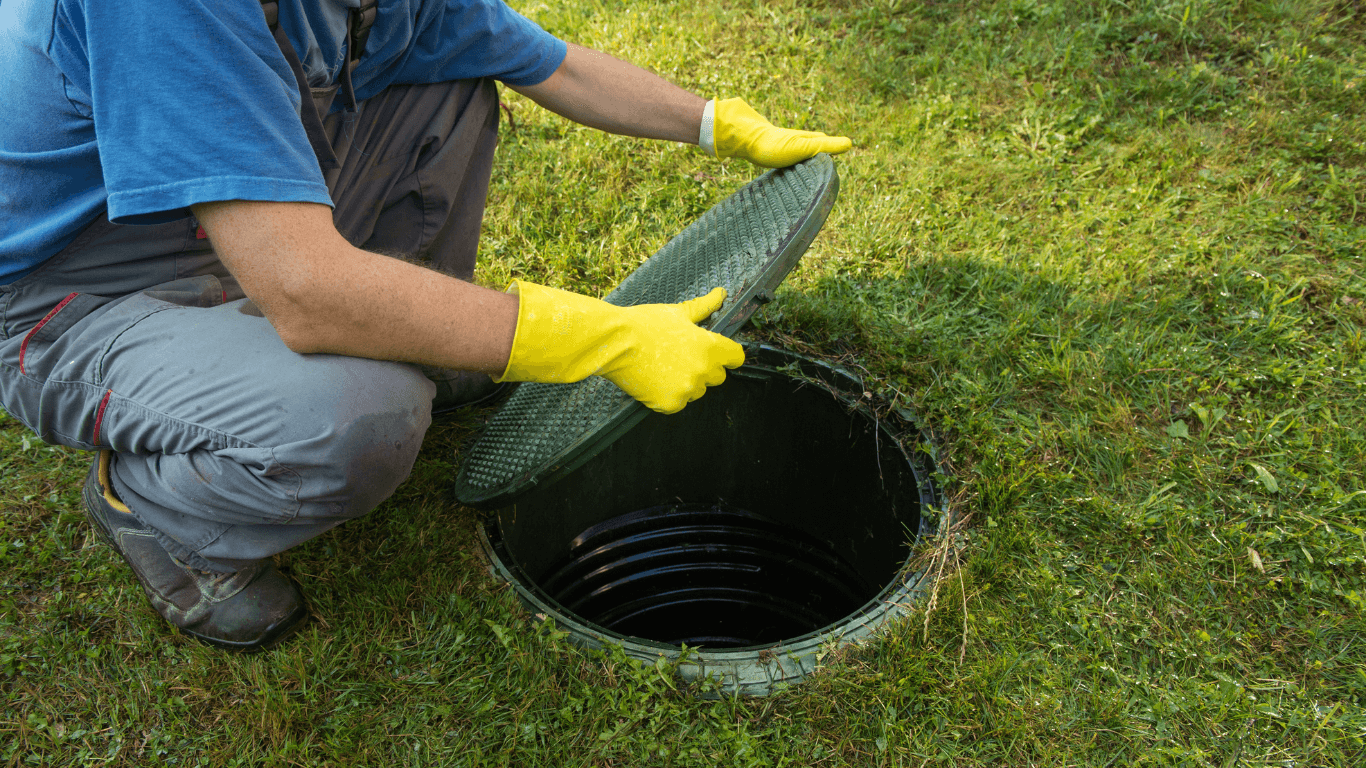
We begin by locating the septic tank lids. If they are not easily accessible, we will expose them if necessary. We prefer that current owners expose the lids beforehand.
We do not recommend having the tank pumped prior to or during the inspection, as that prevents us from assessing how the system is currently being used.
Flow test, size, and education
We conduct a flow or stress test, loading the bed with water to evaluate its ability to handle waste volume.
We assess whether the system is properly sized for the home and its fixtures. During the inspection we also walk you through how a septic system is constructed, how it operates, and what you need to know to live on it properly so you can help extend its life. That is a lot to remember in one visit, so you leave with accompanying paperwork to keep.
Guides for this inspection
- What a septic inspection includes
The full septic inspection process in Ontario, step by step: records, locating the tank and bed, pumping and tank interior, baffles and filter, distribution box, leaching bed, load test, setbacks, and the written report.
- How to read your septic inspection report
A plain-language guide to the septic inspection report: what the system description means, the difference between a failure and a maintenance item, red and yellow flags, and what to do next before you waive conditions.
From the blog
FAQs
How often should I have my septic system inspected?
Every 3 to 5 years is typical, depending on usage, tank size, and household size. Regular inspections catch issues before costly repairs.
What happens if my septic system fails?
Failure can cause sewage backups, groundwater contamination, and property damage. Inspections help prevent these issues by catching problems early.
Should I attend the septic inspection?
Yes. Being present lets you ask questions, learn how your system operates, and understand maintenance or repair needs.
How long does a septic inspection take?
Typical inspections take 1–2 hours, depending on system size, accessibility, and condition.
Have a question about inspection services?
Write to us, call us, or text at your convenience. Serving Southern Ontario, Canada.
Call or text
289-797-0130
Location
Serving Southern Ontario, Canada