Buying a home is one of life’s biggest milestones, but it also requires careful consideration of details that go far beyond price, square footage, and curb appeal. Among the most overlooked factors is the quality of the water flowing through the property. Whether you are purchasing a brand-new home or an older house with character, understanding the condition of the water supply can prevent unexpected headaches, expensive repairs, and potential health concerns. Water quality testing may not be the first thing that comes to mind when touring a potential home, yet it plays a crucial role in ensuring the environment you move into is truly safe and comfortable.
Why Water Quality Matters Before You Buy
Water is something every household relies on daily for cooking, drinking, bathing, laundry, and cleaning. When the water supply has hidden issues, it quickly affects your quality of life. Contaminants such as lead, bacteria, nitrates, chlorine byproducts, pesticides, and heavy metals can cause long-term health concerns if they go undetected. Poor water quality can stain fixtures, damage appliances, degrade plumbing materials, and leave unpleasant odors or discoloration throughout the home. By testing water before finalizing a home purchase, you gain valuable knowledge that can prevent unexpected surprises and help you determine whether the home is worth the investment.
The Importance of Understanding Your Water Source
Not all homes receive water from the same source. Some are connected to municipal water systems, while others rely on private wells. Municipal systems are regulated and tested regularly, but older neighborhoods or homes with outdated plumbing can still experience contamination issues. Private wells, on the other hand, place full responsibility on the homeowner to monitor safety. Understanding where your water comes from gives you a clearer sense of whether additional treatment is needed, what maintenance you may be responsible for, and whether the property has a known history of water-related problems.
How Water Testing Works During a Home Inspection
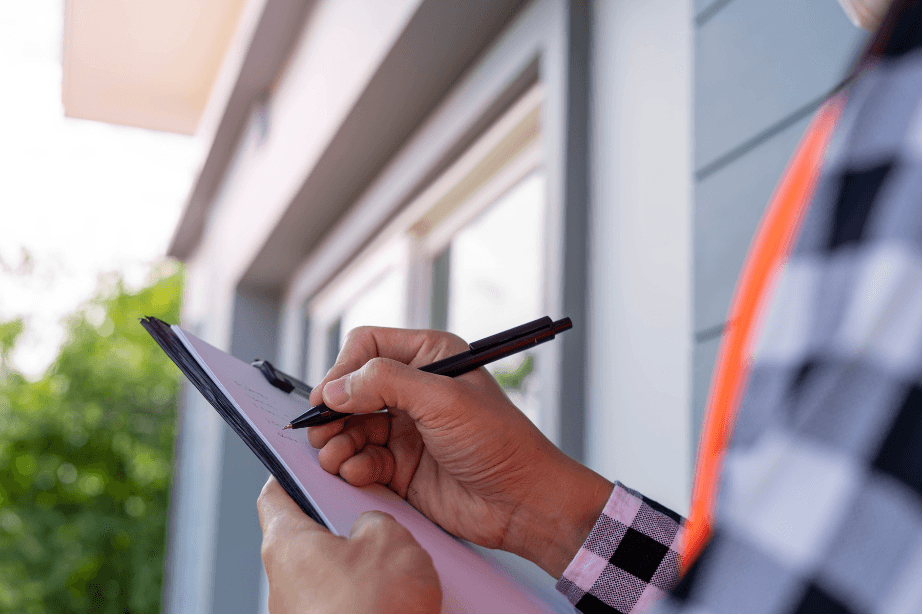
Most home inspections focus on visible structures and systems, but water testing can be added easily as an extra measure. Professionals collect samples from taps around the home and send them to a certified laboratory for analysis. Results typically include detailed readings of pH levels, hardness, contaminants, bacterial presence, and mineral content. These findings help you understand whether the water is safe as-is or whether improvements such as filters, softeners, or system overhauls are needed. Having this information before closing empowers you to negotiate repairs or request seller concessions.
Potential Contaminants Every Buyer Should Know
Many contaminants are invisible, tasteless, and odorless. That is why relying on appearance alone can be misleading. Lead is commonly found in older plumbing systems and poses risks to children and adults. Bacteria such as E. coli or coliform can indicate issues with the well or, in rare cases, municipal system leaks. Iron and manganese can cause rust-colored staining, while sulfur can produce an unpleasant smell. Pesticides and industrial chemicals may appear in groundwater near farmland or older industrial areas. Understanding these possibilities helps you assess whether the property is likely to require filtration systems, repairs, or more advanced treatment in the future.
Planning Your Move After Water Testing Results
Once you confirm that the water in your new home is safe or that necessary improvements have been addressed, you can move forward with confidence. The results may even influence how you prepare for the move. For example, if the water is known to be hard or contains certain minerals, you may choose to clean or pre-treat specific household items before unpacking them. When focusing on fragile belongings, such as packing your kitchen items, water quality awareness can help you better plan what needs extra care or cleaning once everything is settled.
When to Seek Independent Water Testing
While many home inspectors offer water testing, some buyers choose independent testing for added assurance. This is especially common in rural areas, neighborhoods with aging infrastructure, or areas known to have seasonal water fluctuations. Independent labs often provide more in-depth analysis and faster results. If you feel uncertain about the home’s history, local water issues, or maintenance habits of previous owners, investing in your own water test can give you peace of mind.
How Water Quality Affects Plumbing and Appliances
Water that contains high levels of minerals, metals, or corrosive compounds can gradually wear down pipes, fixtures, and major appliances. Hard water, for example, creates mineral buildup that affects water heaters, dishwashers, and washing machines. Corrosive water can degrade copper pipes or cause pinhole leaks. These issues might not be immediately visible, but they can lead to costly repairs later. When buying a home, water quality testing reveals whether you should plan for future maintenance, negotiate a price adjustment, or request that the seller address problems before closing.
Financial Considerations Buyers Often Overlook
Unexpected water-related repairs can quickly add up. Installing filtration systems, replacing contaminated plumbing, or treating well water can require thousands of dollars. When you understand the condition of the water up front, you can better anticipate future costs and avoid purchasing a property that demands significant improvements right away. Beyond structural repairs, water quality can even influence insurance decisions and resale value. Buyers are increasingly aware of environmental and health concerns, and homes with clean, reliable water are often more appealing on the market.
Water Quality and Its Impact on Health and Lifestyle
Clean water is essential for maintaining a healthy household. Contaminated water can affect skin, hair, digestion, and overall wellness. Families with children, elderly members, or individuals with sensitive health conditions need to be especially cautious. Even if contaminants are not dangerous, unpleasant tastes or odors can make everyday tasks less enjoyable. Knowing that your new home provides safe, fresh water can make you feel more confident and comfortable throughout the moving process.
How Water Testing Shapes Negotiations with the Seller
If water testing reveals issues, you have several options. You can request that the seller repair or replace damaged systems, add filtration or treatment equipment, or reduce the asking price to compensate for future expenses. These negotiations are much easier when you have lab results as evidence. Sellers are often willing to address water issues to avoid delays or potential deal-breakers. This gives you more control over the transaction and ensures that you do not inherit costly or hazardous problems after moving in.
Making an Informed Purchase
Understanding the water quality of a potential home is an essential part of making an informed purchase. While it may not be as exciting as choosing paint colors or admiring the backyard, it directly affects your health, comfort, long-term expenses, and overall satisfaction with the property. Water quality testing offers clarity that photos and walkthroughs cannot provide. By prioritizing this important step, you protect your investment, avoid costly surprises, and create a living environment that truly feels safe and dependable. When the results are clear and you know the home meets your standards, you can move forward with greater confidence and excitement, ready to begin the next chapter in a place that fully supports your lifestyle.